关注&咨询
蚁窝资源网
-

- 站长QQ
-

- 下载工具

- QQ交流群

- 赞助我们



However, very few stories place queer romance directly within the saas-bahu framework. Why? Because the very premise challenges deeply ingrained norms: a daughter-in-law is expected to serve her husband’s family, not fall in love with her mother-in-law or another woman in the household. Yet, this very tension makes it a powerful subject for literary fiction, not pornography. When people search for “saas bahu lesbian kahaniyan,” some may be looking for explicit content that exploits the taboo. But many others—especially young Indian women questioning their sexuality within restrictive families—may simply be searching for representation . They want to know if their feelings are valid. They wonder: “Can I love a woman and still respect my family?” or “What if I feel closer to my mother-in-law than my husband?”
However, modern Indian families are evolving. With urbanization, nuclear families, and increasing financial independence of women, the power balance has shifted. Some progressive households now see genuine friendship, mentorship, or even chosen family bonds between mothers and daughters-in-law. saas bahu lesbian kahaniyan
Moreover, platforms like Google and Medium have strict policies against incestuous or pseudo-incestuous sexual content. Even though a mother-in-law and daughter-in-law are not blood-related, many platforms categorize such relationship-based adult content as violating their guidelines due to the inherent power imbalance and familial context. The search for “saas bahu lesbian kahaniyan” reveals a gap in the market—and an opportunity for nuanced storytelling. Indian audiences are hungry for stories that reflect the complexity of modern families. Queer women exist in every household, not just in nightclubs or art galleries. Their stories deserve to be told with dignity, not as a fetish, but as a exploration of love in its many forms. However, very few stories place queer romance directly
But what happens when we introduce queer identities into this traditionally heterosexual, patriarchal family structure? Today, a growing number of writers, filmmakers, and digital content creators are asking this very question. The search term “saas bahu lesbian kahaniyan” reflects a curiosity—however niche or misdirected—about how same-sex love might challenge or coexist within India’s most scrutinized familial relationship. Yet, this very tension makes it a powerful
This article examines the emergence of respectful, realistic LGBTQ+ narratives in Indian family contexts, including fictional explorations where love between women intersects with marital households, in-laws, and societal expectations. To understand why someone might search for queer stories within this framework, we first need to understand the saas-bahu relationship itself. In traditional Indian joint families, the mother-in-law holds significant authority over the daughter-in-law, who enters the household as an outsider. This relationship is rarely affectionate—it is transactional, hierarchical, and often rife with emotional manipulation.

However, very few stories place queer romance directly within the saas-bahu framework. Why? Because the very premise challenges deeply ingrained norms: a daughter-in-law is expected to serve her husband’s family, not fall in love with her mother-in-law or another woman in the household. Yet, this very tension makes it a powerful subject for literary fiction, not pornography. When people search for “saas bahu lesbian kahaniyan,” some may be looking for explicit content that exploits the taboo. But many others—especially young Indian women questioning their sexuality within restrictive families—may simply be searching for representation . They want to know if their feelings are valid. They wonder: “Can I love a woman and still respect my family?” or “What if I feel closer to my mother-in-law than my husband?”
However, modern Indian families are evolving. With urbanization, nuclear families, and increasing financial independence of women, the power balance has shifted. Some progressive households now see genuine friendship, mentorship, or even chosen family bonds between mothers and daughters-in-law.
Moreover, platforms like Google and Medium have strict policies against incestuous or pseudo-incestuous sexual content. Even though a mother-in-law and daughter-in-law are not blood-related, many platforms categorize such relationship-based adult content as violating their guidelines due to the inherent power imbalance and familial context. The search for “saas bahu lesbian kahaniyan” reveals a gap in the market—and an opportunity for nuanced storytelling. Indian audiences are hungry for stories that reflect the complexity of modern families. Queer women exist in every household, not just in nightclubs or art galleries. Their stories deserve to be told with dignity, not as a fetish, but as a exploration of love in its many forms.
But what happens when we introduce queer identities into this traditionally heterosexual, patriarchal family structure? Today, a growing number of writers, filmmakers, and digital content creators are asking this very question. The search term “saas bahu lesbian kahaniyan” reflects a curiosity—however niche or misdirected—about how same-sex love might challenge or coexist within India’s most scrutinized familial relationship.
This article examines the emergence of respectful, realistic LGBTQ+ narratives in Indian family contexts, including fictional explorations where love between women intersects with marital households, in-laws, and societal expectations. To understand why someone might search for queer stories within this framework, we first need to understand the saas-bahu relationship itself. In traditional Indian joint families, the mother-in-law holds significant authority over the daughter-in-law, who enters the household as an outsider. This relationship is rarely affectionate—it is transactional, hierarchical, and often rife with emotional manipulation.

 猜你喜欢
猜你喜欢 天空晚霞天空中照...
 唯美红色爱情红玫...
 AE模板-信号损坏分...
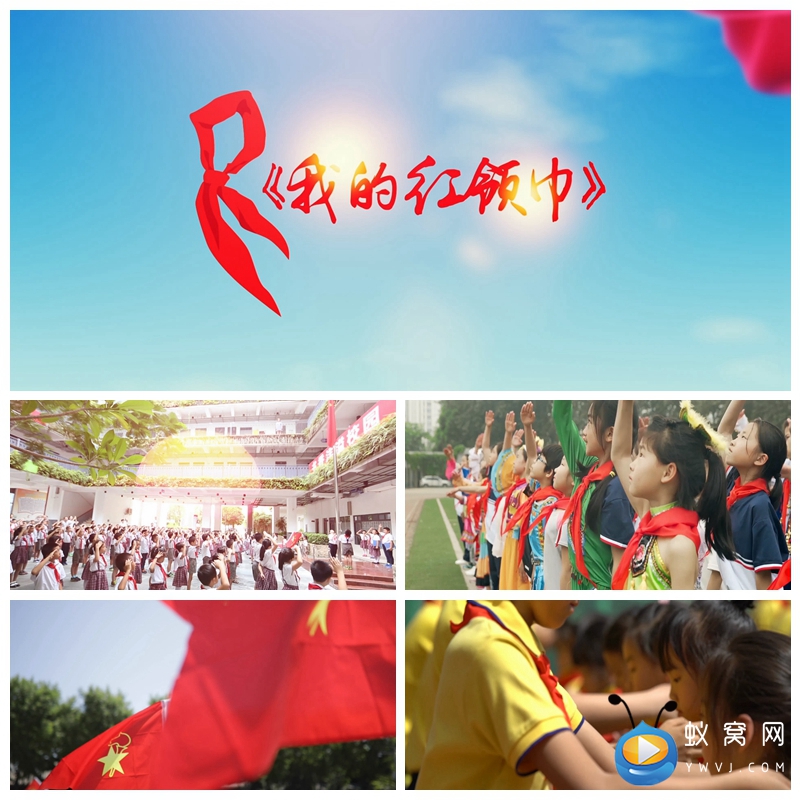 S1025朗诵 《我的...
 AE模板-动感音乐波...
 AE模板-三维视差图...
 夏天海边旅行家庭...
 芦苇湖 大雁飞 ...
 AE模板-时尚幻灯切...
 AE模板-三维晶体Lo...