








Welcome to our portfolio showcasing our expertise in creating dyn...
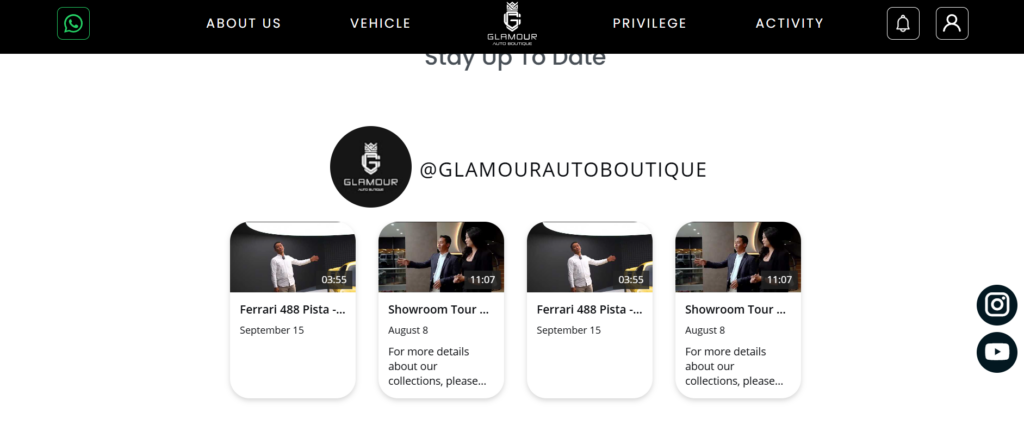
Decathlon Indonesia, bring sports accessibility to new heights! Mplus Software help Decathlon ...






Assuring meticulous and precise methodology in respect to:

Providing onshore and offshore resources. Experience our premium team with unmatched agility and scalability while minimizing cultural risks.

Planning in the fullness of time and providing long-term support to our clients and projects. Our work is based on:

Building trust by delivering our commitments with excellence whilst focusing on value, quality, expertise in code and business continuity
This quality “good enough” threshold is what made TamilRockers so dangerous. It obliterated the “cinematic experience” argument for casual viewers. Alice Through the Looking Glass was already struggling before the TamilRockers leak. The film received mixed-to-negative reviews (Rotten Tomatoes score: 29%), with critics calling it “visually stunning but emotionally hollow.” However, the widespread availability of a free, high-quality pirated copy just days after release was the nail in the coffin.
In the landscape of digital piracy, few names have become as synonymous with unauthorized movie distribution as TamilRockers. For years, this infamous torrent website acted as a digital boogeyman for the film industry, leaking everything from small-budget independent films to multi-million dollar Hollywood blockbusters. One notable victim in the long line of pirated properties was Disney’s 2016 fantasy sequel, Alice Through the Looking Glass .
The plot followed Alice as she commandeers a magical chronosphere to travel back in time to save the Mad Hatter from a deep melancholy, confronting the past of the White Queen and the Red Queen along the way. With a production budget reportedly exceeding $170 million, Disney expected another box office phenomenon. TamilRockers, a website originating from the Tamil film industry (Kollywood) in India, was notorious for releasing “first on net” copies of movies. The modus operandi was simple: obtain a pirated copy—often via a camcorder recording from a cinema, a leaked screener, or a compromised digital copy—and upload it to their servers.
The film opened to a paltry $26.8 million in the US (compared to the first film’s $116 million opening). It eventually grossed only $77 million domestically and $299 million worldwide—a massive loss considering its $170 million production budget plus marketing. While piracy wasn’t the sole cause (poor reviews and sequel fatigue played roles), Disney executives later cited digital piracy from sites like TamilRockers as a significant contributing factor to the sequel’s underperformance. In response to the Alice Through the Looking Glass leak, the Motion Picture Association (MPA) intensified its legal pursuit of TamilRockers. However, the site employed a strategy called “domain hopping.”
If you wish to revisit the whimsical, if flawed, adventures of Alice Kingsleigh, do so through a legal window. Avoid the cracked looking glass of TamilRockers—it offers only a reflection of risk and regret. This article is for informational purposes only. Torrenting or downloading copyrighted material from websites like TamilRockers without permission is illegal in most jurisdictions and violates the rights of creators and distributors. Always support official releases.
This quality “good enough” threshold is what made TamilRockers so dangerous. It obliterated the “cinematic experience” argument for casual viewers. Alice Through the Looking Glass was already struggling before the TamilRockers leak. The film received mixed-to-negative reviews (Rotten Tomatoes score: 29%), with critics calling it “visually stunning but emotionally hollow.” However, the widespread availability of a free, high-quality pirated copy just days after release was the nail in the coffin.
In the landscape of digital piracy, few names have become as synonymous with unauthorized movie distribution as TamilRockers. For years, this infamous torrent website acted as a digital boogeyman for the film industry, leaking everything from small-budget independent films to multi-million dollar Hollywood blockbusters. One notable victim in the long line of pirated properties was Disney’s 2016 fantasy sequel, Alice Through the Looking Glass . TamilRockers.com Alice Through the Looking Glass
The plot followed Alice as she commandeers a magical chronosphere to travel back in time to save the Mad Hatter from a deep melancholy, confronting the past of the White Queen and the Red Queen along the way. With a production budget reportedly exceeding $170 million, Disney expected another box office phenomenon. TamilRockers, a website originating from the Tamil film industry (Kollywood) in India, was notorious for releasing “first on net” copies of movies. The modus operandi was simple: obtain a pirated copy—often via a camcorder recording from a cinema, a leaked screener, or a compromised digital copy—and upload it to their servers. This quality “good enough” threshold is what made
The film opened to a paltry $26.8 million in the US (compared to the first film’s $116 million opening). It eventually grossed only $77 million domestically and $299 million worldwide—a massive loss considering its $170 million production budget plus marketing. While piracy wasn’t the sole cause (poor reviews and sequel fatigue played roles), Disney executives later cited digital piracy from sites like TamilRockers as a significant contributing factor to the sequel’s underperformance. In response to the Alice Through the Looking Glass leak, the Motion Picture Association (MPA) intensified its legal pursuit of TamilRockers. However, the site employed a strategy called “domain hopping.” One notable victim in the long line of
If you wish to revisit the whimsical, if flawed, adventures of Alice Kingsleigh, do so through a legal window. Avoid the cracked looking glass of TamilRockers—it offers only a reflection of risk and regret. This article is for informational purposes only. Torrenting or downloading copyrighted material from websites like TamilRockers without permission is illegal in most jurisdictions and violates the rights of creators and distributors. Always support official releases.
