nthLink is built on technologies that have defeated even the strictest internet censorship systems. It automatically:
Unlike many VPNs that store often-obsolete address lists in their apps, nthLink’s mobile app can connect to the Internet even when it has been a long time since you have used it.
The nthLink app calculates fresh server addresses based on where you are and the device you are using, enabling you to connect even in locations where many of its addresses are being blocked. It keeps trying until it finds a secure connection for you.
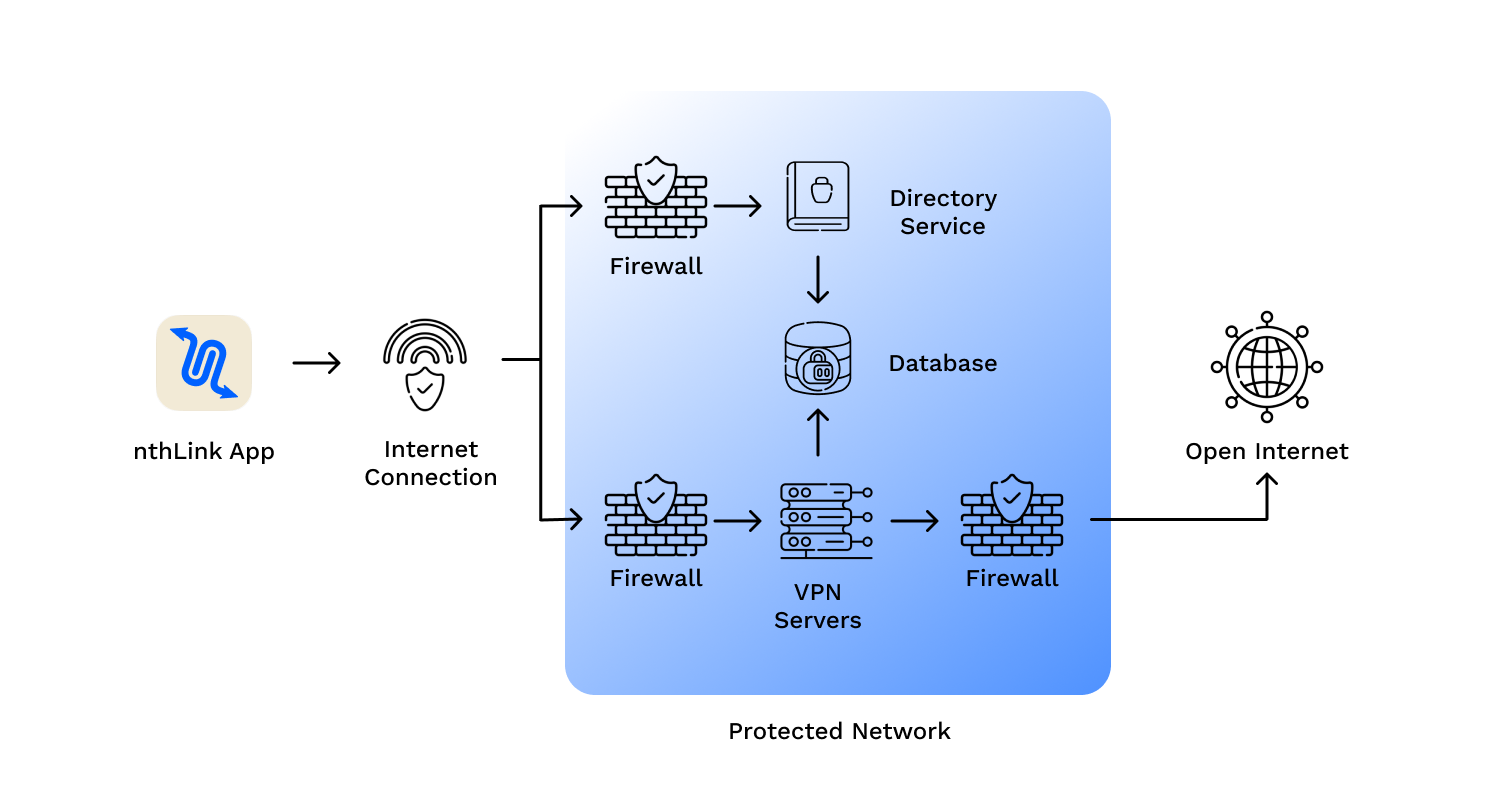
Just install and tap the button and you’re online – inside a reliable and secure network.
We do not track your activities and use best data minimization practices for our server infrastructure.
nthLink uses the strongest available encryption standards so your Internet traffic cannot be inspected.
| Format | Sequential Read | Sequential Write | Snapshot Time | Space After Install | |---------------|----------------|------------------|---------------|----------------------| | Raw (.img) | 980 MB/s | 850 MB/s | N/A (no snap) | 18.3 GB | | VMDK (streamOptimized) | 720 MB/s | 610 MB/s | 12 sec | 15.1 GB | | | 680 MB/s | 590 MB/s | 0.6 sec | 11.4 GB | | QCOW2 (writeback) | 950 MB/s | 830 MB/s | 0.6 sec | 11.4 GB |
-chardev socket,path=/tmp/qga.sock,server=on,wait=off,id=qga0 \ -device virtio-serial \ -device virtserialport,chardev=qga0,name=org.qemu.guest_agent.0 Now you can run sudo virsh qemu-agent-command (via libvirt) or freeze filesystems before snapshots. Raw Windows 7 on qcow2 can be sluggish. Apply these tweaks for near-bare-metal speed. 4.1 QCOW2-Specific Tuning When launching QEMU, add cache settings: windows 7qcow2
-device virtio-balloon-pci The host can dynamically reclaim unused RAM from the Windows 7 guest. One of the greatest advantages of qcow2 is snapshot management. For Windows 7, this is a lifesaver when testing legacy software or recovering from "blue screens of death." Creating a Live Snapshot While the Windows 7 VM is running: | Format | Sequential Read | Sequential Write
Enter and the qcow2 (QEMU Copy-On-Write version 2) format. For virtualization enthusiasts, system administrators, and retro-computing hobbyists, pairing Windows 7 with the qcow2 disk image format offers a potent combination: the stability of a classic OS with the flexibility of modern virtual machine snapshots, compression, and encryption. For virtualization enthusiasts
virsh snapshot-create-as --domain windows7 clean_state \ --description "Fresh install with VirtIO" \ --disk-only --atomic Or using QEMU monitor: Press Ctrl+Alt+2 , then type:
By following this guide—creating thin-provisioned images, loading the correct VirtIO drivers, mastering snapshots, and applying performance tweaks—you transform Windows 7 from a dated OS into a nimble, host-friendly virtual asset.
qemu-img info windows7.qcow2 That single line tells you the virtual size, actual disk usage, snapshot count, and encryption status. Master it, and you master the marriage of Windows 7 and QEMU. Have a unique Windows 7 qcow2 setup? Share your performance tuning tips in the comments below. And always remember: with great snapshot power comes great responsibility—commit often, revert wisely.