Xp Memz | Windows
The Windows XP MEMZ typically spread through infected executable files, which were often shared on peer-to-peer (P2P) networks and via email attachments. When an infected file was run on a Windows XP system, the malware would install itself and begin to execute its payload.
The Windows XP MEMZ was a notorious malware that spread rapidly and caused significant disruptions to computer systems worldwide. While its creator may have intended it as a form of performance art, the impact of the malware was far from artistic. The outbreak served as a reminder of the importance of cybersecurity and the need for robust antivirus software. As we continue to navigate the ever-evolving threat landscape, the legacy of the Windows XP MEMZ serves as a cautionary tale about the importance of staying vigilant and prepared in the face of emerging threats. windows xp memz
The Windows XP MEMZ may seem like a relic of the past, but its legacy continues to influence the cybersecurity landscape today. The malware served as a wake-up call for the industry, highlighting the need for more robust security measures and better preparedness in the face of emerging threats. Today, the term "MEMZ" has become synonymous with malware and cybersecurity threats, serving as a reminder of the importance of vigilance in the face of evolving cyber threats. The Windows XP MEMZ typically spread through infected
In the early 2000s, the internet was still in its relatively young stages, and cybersecurity threats were beginning to gain traction. One such threat that gained notoriety during this time was the Windows XP MEMZ, a malware that spread rapidly and caused significant disruptions to computer systems worldwide. In this article, we'll take a closer look at the Windows XP MEMZ, its origins, how it worked, and its impact on the cybersecurity landscape. While its creator may have intended it as
The Windows XP MEMZ, also known as the "MEMZ" or " Win32/MEMZ," was a type of malware that emerged in 2004. It was specifically designed to target computers running on the Windows XP operating system, which was the dominant OS at the time. The malware was a type of logic bomb, designed to destroy data on infected computers.
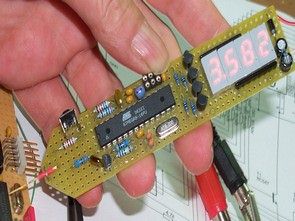

PIC16F84 RF Transceiver Circuit (6-Channel)
As the first state of the circuit, when a button is pressed that button button corresponding LED lights up when he left, but did not go out, ta else until you press a button. So was continuously in one LED always stays on.
As the logic in the program only when the buttons are pushed, the data were sent information. I additionally buttons and while holding both pressed when it is not data information, sending buttons while pressing the corresponding LED burning when you left it (I’ve added the command here comes into play.), Extinguishing’ve made.
RF Transceiver Schematic