


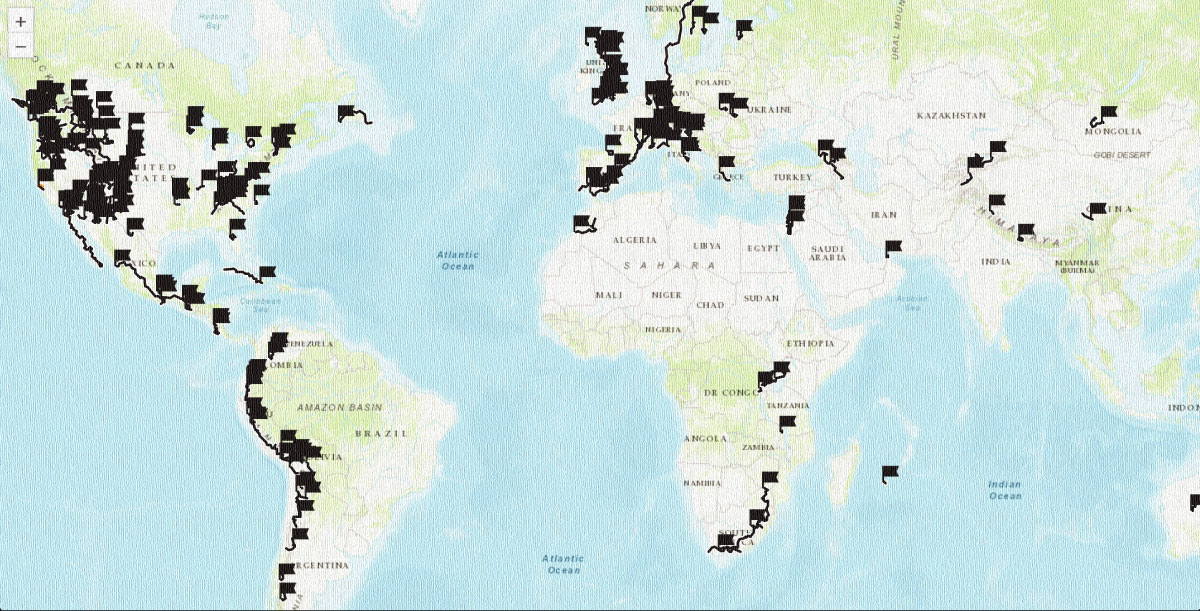
 Singletrack/MTB
 Gravel/All-road
 Dirt-road Touring
 Fat-bike




Very Hot Mallu Aunty Sexsucking Her Big Boobs Hot Night - Target Top
Films like Bharatham (1991) or Thaniyavarthanam (1987) dealt with failed classical musicians and familial schizophrenia. These were not "entertaining" subjects, but they were culturally urgent . The Malayali audience has a high tolerance for tragedy and psychological depth because the culture respects intellectual suffering. This is why a slow-burn film like Nanpakal Nerathu Mayakkam (2022), which explores identity theft and cultural mimicry in Tamil Nadu, is a box office hit in Kerala. For decades, the "cultural capital" of Kerala was presented as a harmonious, secular, communist utopia. But Malayalam cinema has spent the last decade dismantling that myth with a hammer. The new wave of filmmakers—Lijo Jose Pellissery, Dileesh Pothan, Jeo Baby—are unflinchingly dissecting the caste and class hierarchies that literacy rates cannot erase.
This was not accidental. The 1970s in Kerala were a time of intense political polarization—the rise of the Communist Party (Marxist), the land reforms, and the liberation struggle. Cinema became the battleground for these ideas. Films like Elippathayam (The Rat Trap, 1981) didn't just tell a story about a feudal landlord; the rat trap was a metaphor for the decaying feudal culture of Kerala that refused to die. This ability to use metaphor and realism simultaneously became the hallmark of Malayali cultural identity: intellectual, layered, and unafraid of ambiguity. Culture is often defined by geography, and no Indian film industry uses its geography as powerfully as Malayalam cinema. The backwaters of Alappuzha, the high ranges of Idukki, and the crowded lanes of old Kochi are not just backgrounds; they are active participants in the narrative.
Take the recent wave of successful films. Kumbalangi Nights (2019) used the fishing village of Kumbalangi to explore toxic masculinity and familial dysfunction. The brackish water and the cramped homes weren't just aesthetic; they symbolized the stagnation of the characters' emotional lives. Similarly, Maheshinte Prathikaaram (2016) used the specific rhythms of Idukki life—the rubber tapping, the local feuds, the small-town photography studios—to tell a story about ego and forgiveness. When a culture celebrates such hyperlocal specificity, it fights against globalization's homogenizing force. Unlike the "Angry Young Man" of Bollywood or the "Mass Hero" of Telugu cinema, the archetypal hero of Malayalam cinema is the everyday man . From the legendary Mammootty and Mohanlal to the new generation of Fahadh Faasil, the heroes are flawed, neurotic, aging, and deeply human. Films like Bharatham (1991) or Thaniyavarthanam (1987) dealt
The true "cultural explosion" happened in the 1970s and 80s, an era now mythologized as the "Golden Age." Driven by the brilliance of writers like M. T. Vasudevan Nair and directors like Adoor Gopalakrishnan and G. Aravindan, Malayalam cinema broke free from the melodramatic tropes of Hindi cinema. It discovered the grammar of realism .
For those who wish to understand Kerala, do not read the history books first. Watch Kireedam (1989) to understand the weight of family expectation. Watch Drishyam (2013) to understand the cunning of the middle-class household. And watch Aattam (2024) to understand how the #MeToo movement looks in a male-dominated theater troupe in Kerala. This is why a slow-burn film like Nanpakal
Yet, if history is any guide, Malayalam cinema will adapt. It has survived the arrival of television, the collapse of the super-star system, and the COVID-19 pandemic. It survives because it is not just an industry—it is the diary of the Malayali soul.
In a world where regional identities are being erased by global monoculture, Malayalam cinema remains a fortress of specificity. It tells the world that a man can be a communist and a devout Hindu; that a woman can be a college professor and a victim of caste slurs; that life is not a three-act hero's journey, but a slow, meandering boat ride through a backwater—full of unexpected stops, sudden rains, and stunning, quiet beauty. The new wave of filmmakers—Lijo Jose Pellissery, Dileesh
This reflects a cultural truth about Kerala. Despite being the most literate state in India and having high Human Development Index scores, the average Malayali suffers from a specific form of existential angst. It is the anxiety of the educated unemployed, the frustration of the middle-class clerk, and the loneliness of the Gulf returnee.